

𝗜𝗳 𝗔𝗿𝗮𝘁𝘁𝗮𝗶 𝗥𝗲𝗹𝗮𝘂𝗻𝗰𝗵𝗲𝗱 𝗧𝗼𝗱𝗮𝘆 𝗪𝗵𝗮𝘁 𝗜𝘁 𝗠𝘂𝘀𝘁 𝗗𝗼 𝗗𝗶𝗳𝗳𝗲𝗿𝗲𝗻𝘁𝗹𝘆 𝗶𝗻 𝟮𝟬𝟮6
A Founder’s Perspective on How India’s Homegrown Messenger Could Win the Next Digital Wave
The global messaging landscape has matured but the opportunities around AI, privacy, and hyperlocal user behaviour have never been bigger.
When Zoho’s Arattai briefly shot to the top of the charts, it proved something important:
India wants an alternative but not another 𝗪𝗵𝗮𝘁𝘀𝗔𝗽𝗽 𝗰𝗹𝗼𝗻𝗲.
If 𝗔𝗿𝗮𝘁𝘁𝗮𝗶 were to relaunch in 2026, its success would depend not on competing with WhatsApp head-on, but on creating an entirely new category that solves problems legacy messaging apps are not built to address.
As a UK-facing software development company working deeply with India’s digital ecosystem, here’s our strategic breakdown of what Arattai must do differently to win not just trend.
𝟭) 𝗗𝗼𝗻’𝘁 𝗖𝗼𝗺𝗽𝗲𝘁𝗲 𝗪𝗶𝘁𝗵 𝗪𝗵𝗮𝘁𝘀𝗔𝗽𝗽. 𝗖𝗼𝗺𝗽𝗲𝘁𝗲 𝗪𝗶𝘁𝗵 𝗨𝗻𝗺𝗲𝘁 𝗡𝗲𝗲𝗱𝘀.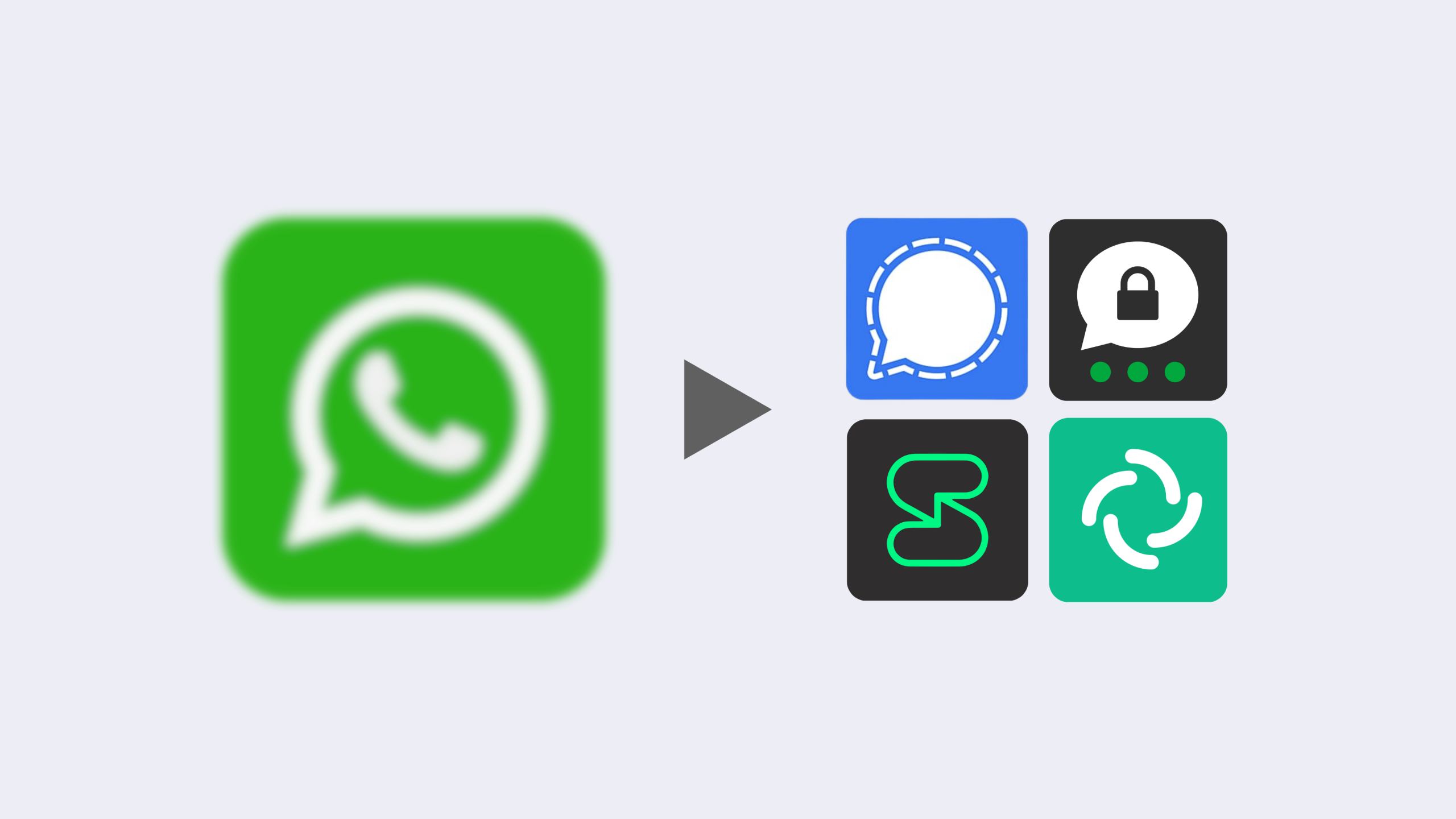
No user leaves WhatsApp unless the new alternative delivers a fundamentally different value proposition.
𝗔 𝘄𝗶𝗻𝗻𝗶𝗻𝗴 𝗾𝘂𝗲𝘀𝘁𝗶𝗼𝗻 𝗳𝗼𝗿 𝗔𝗿𝗮𝘁𝘁𝗮𝗶:
“What can we offer that WhatsApp cannot or will not offer?”
𝗣𝗼𝘁𝗲𝗻𝘁𝗶𝗮𝗹 𝗻𝗲𝘄-𝗰𝗮𝘁𝗲𝗴𝗼𝗿𝘆 𝗮𝗻𝗴𝗹𝗲𝘀:
• Privacy-first, India-hosted messenger with open-source encryption
• Work + personal hybrid tool for India’s small businesses
• Community-first messaging platform similar to a Discord–Slack crossover
• AI-native assistant messenger capable of summarising chats, extracting tasks, and managing reminders automatically
• Category creation, not competition, is the only path to dominance.
2) 𝗕𝘂𝗶𝗹𝗱 𝗳𝗼𝗿 𝗜𝗻𝗱𝗶𝗮’𝘀 𝗘𝗻𝘁𝗲𝗿𝗽𝗿𝗶𝘀𝗲 + 𝗦𝗠𝗕 𝗘𝗰𝗼𝘀𝘆𝘀𝘁𝗲𝗺 𝗡𝗼𝘁 𝗝𝘂𝘀𝘁 𝗖𝗼𝗻𝘀𝘂𝗺𝗲𝗿𝘀 𝗜𝗻𝗱𝗶𝗮’𝘀 𝗦𝗠𝗘𝘀, 𝗶𝗻𝘀𝘁𝗶𝘁𝘂𝘁𝗶𝗼𝗻𝘀, 𝗮𝗻𝗱 𝗰𝗼𝗺𝗺𝘂𝗻𝗶𝘁𝘆 𝗼𝗿𝗴𝗮𝗻𝗶𝘀𝗮𝘁𝗶𝗼𝗻𝘀 𝗿𝗲𝗽𝗿𝗲𝘀𝗲𝗻𝘁 𝗮𝗻 𝘂𝗻𝗱𝗲𝗿𝘀𝗲𝗿𝘃𝗲𝗱 𝗺𝗮𝗿𝗸𝗲𝘁 𝘄𝗵𝗲𝗿𝗲 𝗪𝗵𝗮𝘁𝘀𝗔𝗽𝗽 𝗳𝗮𝗹𝗹𝘀 𝘀𝗵𝗼𝗿𝘁.
Target segments:
1. Schools
2. Hospitals
3. Field-force teams
4. Retail chains
5. Apartment associations
6. Local communities & interest groups
7. High-impact features:
8. Admin and moderation controls
9. Attendance, approvals & workflow automation
10. File storage + analytics
11. AI-generated replies for micro-businesses
12. Scheduled broadcasts and notifications
This is essentially “𝗪𝗵𝗮𝘁𝘀𝗔𝗽𝗽 + 𝗦𝗹𝗮𝗰𝗸, 𝗯𝘂𝗶𝗹𝘁 𝗳𝗼𝗿 𝗜𝗻𝗱𝗶𝗮’𝘀 𝗦𝗠𝗕𝘀.”
A massive, unmet demand.
𝟯) 𝗠𝗮𝗸𝗲 𝗔𝗜 𝘁𝗵𝗲 𝗖𝗼𝗿𝗲 𝗘𝘅𝗽𝗲𝗿𝗶𝗲𝗻𝗰𝗲 𝗡𝗼𝘁 𝗮 𝗦𝗶𝗱𝗲 𝗙𝗲𝗮𝘁𝘂𝗿𝗲
In 2026, the winners in messaging will be AI-native, not AI-enabled.
𝗔𝗿𝗮𝘁𝘁𝗮𝗶 𝗰𝗼𝘂𝗹𝗱 𝗱𝗶𝗳𝗳𝗲𝗿𝗲𝗻𝘁𝗶𝗮𝘁𝗲 𝗶𝗻𝘀𝘁𝗮𝗻𝘁𝗹𝘆 𝗯𝘆 𝗼𝗳𝗳𝗲𝗿𝗶𝗻𝗴:
1. Auto-generated meeting notes from group chats
2. Voice → structured task lists
3. Noise filtering for large family/office groups
4. Multilingual translation across Indian languages
5. Smart contact grouping
6. Business auto-replies & message templates
Zoho already has strong AI foundations.
This time, AI must be the hero, not an afterthought.
𝟰) 𝗠𝘂𝗹𝘁𝗶-𝗗𝗲𝘃𝗶𝗰𝗲 & 𝗖𝗹𝗼𝘂𝗱 𝗖𝗼𝗻𝘁𝗶𝗻𝘂𝗶𝘁𝘆 𝗠𝘂𝘀𝘁 𝗕𝗲 𝗡𝗼𝗻-𝗡𝗲𝗴𝗼𝘁𝗶𝗮𝗯𝗹𝗲
𝗢𝗻𝗲 𝗺𝗮𝗷𝗼𝗿 𝗿𝗲𝗮𝘀𝗼𝗻 𝗔𝗿𝗮𝘁𝘁𝗮𝗶’𝘀 𝗲𝗮𝗿𝗹𝘆 𝗺𝗼𝗺𝗲𝗻𝘁𝘂𝗺 𝗳𝗲𝗹𝗹 𝗮𝗽𝗮𝗿𝘁 𝘄𝗮𝘀 𝘀𝗶𝗺𝗽𝗹𝗲
𝗨𝘀𝗲𝗿𝘀 𝗺𝗼𝘃𝗲𝗱 𝘁𝗼 𝗻𝗲𝘄 𝗱𝗲𝘃𝗶𝗰𝗲𝘀 𝗯𝘂𝘁 𝘁𝗵𝗲𝗶𝗿 𝗰𝗵𝗮𝘁𝘀 𝗱𝗶𝗱𝗻’𝘁 𝗺𝗼𝘃𝗲 𝘄𝗶𝘁𝗵 𝘁𝗵𝗲𝗺.
𝗔 𝟮𝟬𝟮6 𝗿𝗲𝗹𝗮𝘂𝗻𝗰𝗵 𝗺𝘂𝘀𝘁 𝗹𝗮𝘂𝗻𝗰𝗵 𝘄𝗶𝘁𝗵:
• Seamless multi-device support
• Real-time sync
• Cloud backups
• Web + tablet interfaces on Day
𝟱) 𝗔 𝗚𝗼-𝗧𝗼-𝗠𝗮𝗿𝗸𝗲𝘁 𝗦𝘁𝗿𝗮𝘁𝗲𝗴𝘆 𝗧𝗵𝗮𝘁 𝗚𝗼𝗲𝘀 𝗕𝗲𝘆𝗼𝗻𝗱 𝗟𝗮𝘂𝗻𝗰𝗵 𝗛𝘆𝗽𝗲
Arattai’s initial spike was emotional.
A second attempt must be strategic.
𝗚𝗧𝗠 𝗽𝗶𝗹𝗹𝗮𝗿𝘀 𝗳𝗼𝗿 𝟮𝟬𝟮6:
• Partnerships with Indian SMB bodies
• Integration with education networks
• Government-adjacent digital adoption programs
• Influencer-led trust-building
• Start with B2B footholds → expand into consumer adoption
Features don’t win categories.
Distribution does.
𝟲) 𝗛𝘆𝗽𝗲𝗿𝗹𝗼𝗰𝗮𝗹 𝗧𝗿𝘂𝘀𝘁: 𝗜𝗻𝗱𝗶𝗮𝗻-𝗕𝘂𝗶𝗹𝘁, 𝗜𝗻𝗱𝗶𝗮𝗻-𝗛𝗼𝘀𝘁𝗲𝗱, 𝗧𝗿𝗮𝗻𝘀𝗽𝗮𝗿𝗲𝗻𝘁
India still lacks a privacy-first messenger with local transparency.
𝗔𝗿𝗮𝘁𝘁𝗮𝗶 𝗰𝗼𝘂𝗹𝗱 𝗯𝗲𝗰𝗼𝗺𝗲: “𝗬𝗼𝘂𝗿 𝗣𝗿𝗶𝘃𝗮𝘁𝗲, 𝗜𝗻𝗱𝗶𝗮-𝗛𝗼𝘀𝘁𝗲𝗱 𝗠𝗲𝘀𝘀𝗲𝗻𝗴𝗲𝗿.”
1. Trust-building differentiators:
2. Data centres in India
3. Optional business KYC
4. Open-source encryption audits
5. Balanced compliance without compromising user rights
6. Target trust-segments:
7. Parents, teachers, schools
8. Government offices
9. SMBs & corporates
10. Religious and community groups
Trust is no longer a message.
It is a product feature.
𝟳) 𝗗𝗼𝗻’𝘁 𝗕𝘂𝗶𝗹𝗱 𝗔𝗻𝗼𝘁𝗵𝗲𝗿 𝗠𝗲𝘀𝘀𝗲𝗻𝗴𝗲𝗿. 𝗕𝘂𝗶𝗹𝗱 𝗮𝗻 𝗘𝗰𝗼𝘀𝘆𝘀𝘁𝗲𝗺.
India does not need a WhatsApp clone.
India needs its own WeChat-level ecosystem.
𝗔𝗿𝗮𝘁𝘁𝗮𝗶 𝗰𝗼𝘂𝗹𝗱 𝗲𝘅𝗽𝗮𝗻𝗱 𝗶𝗻𝘁𝗼:
• Payments & micro-commerce
• Micro-app integrations
• Workflows & approvals
• AI agents for business
• Community management tools
This is the most important pivot:
Build the platform, not the app.
𝗙𝗶𝗻𝗮𝗹 𝗦𝘂𝗺𝗺𝗮𝗿𝘆: The 2026 Relaunch Formula for Arattai
To win in today’s crowded messaging universe, Arattai must move from:
𝗖𝗼𝗺𝗽𝗲𝘁𝗶𝗻𝗴 𝘄𝗶𝘁𝗵 𝗪𝗵𝗮𝘁𝘀𝗔𝗽𝗽
to
𝗖𝗿𝗲𝗮𝘁𝗶𝗻𝗴 𝗮 𝗻𝗲𝘄 𝗰𝗮𝘁𝗲𝗴𝗼𝗿𝘆 𝗮𝗿𝗼𝘂𝗻𝗱 𝗔𝗜, 𝗽𝗿𝗶𝘃𝗮𝗰𝘆, 𝗦𝗠𝗕 𝘄𝗼𝗿𝗸𝗳𝗹𝗼𝘄𝘀 & 𝗜𝗻𝗱𝗶𝗮-𝗳𝗶𝗿𝘀𝘁 𝗱𝗶𝗴𝗶𝘁𝗮𝗹 𝗻𝗲𝗲𝗱𝘀.
WhatsApp cannot be beaten by imitating it.
It can only be beaten by changing the rules of the game.
𝗪𝗵𝘆 𝗧𝗵𝗶𝘀 𝗠𝗮𝘁𝘁𝗲𝗿𝘀 𝗳𝗼𝗿 𝘁𝗵𝗲 𝗨𝗞 𝗠𝗮𝗿𝗸𝗲𝘁
For UK-based businesses exploring partnerships, investments, or tech innovation in India’s digital landscape, the Arattai example demonstrates:
1. How AI-first product strategy can win emerging markets
2. The scale of India’s SMB digital adoption opportunity
3. Why privacy, localisation, and trust are competitive advantages
4. How ecosystems not standalone apps define the next decade of digital growth
As 𝗛𝗮𝘀𝗼𝗧𝗲𝗰𝗵𝗻𝗼𝗹𝗼𝗴𝘆 continues building AI-driven platforms for 𝗴𝗹𝗼𝗯𝗮𝗹 𝗰𝗹𝗶𝗲𝗻𝘁𝘀, these insights directly shape how we design scalable, consumer-grade digital products for India, the UK, and beyond.
Leave a Reply